 By
By 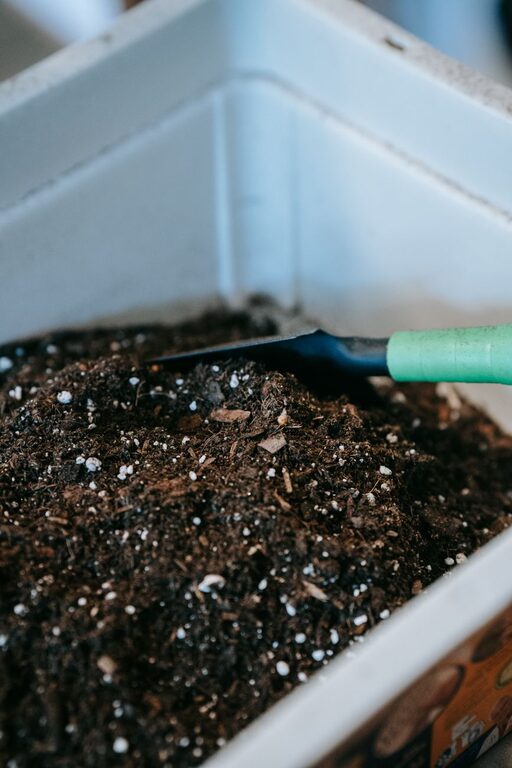
Composting at home is a fantastic way to reduce household waste and create nutrient-rich soil for your garden. Whether you have a large backyard or just a small balcony, starting a compost pile or bin can be simple and rewarding. This guide will walk you through beginner tips to make composting easy, effective, and enjoyable.
What is Composting?
Composting is the natural process of recycling organic materials—like food scraps and garden waste—into a dark, crumbly substance known as compost. This compost enriches soil, helps retain moisture, and supports healthy plant growth. Instead of throwing away vegetable peels or fallen leaves, composting transforms them into valuable fertilizer.
Benefits of Composting at Home
– Reduces landfill waste: Composting cuts down on the amount of organic waste sent to landfills.
– Enriches soil naturally: Compost improves soil structure and nutrient content without chemicals.
– Saves money: You can reduce the need for commercial fertilizers and garden products.
– Supports the environment: Composting lowers greenhouse gas emissions by diverting waste.
Getting Started with Composting
Choose a Composting Method
Depending on your space and needs, select one of these common composting methods:
– Compost Bin: Perfect for small to medium spaces; bins keep the area tidy and pest-free.
– Compost Pile: Suitable for larger yards; simply stack materials in a designated spot.
– Worm Composting (Vermicomposting): Ideal for apartments or indoor spaces; uses worms to break down scraps quickly.
Select the Right Location
Pick a spot that is:
– Well-drained and has good airflow
– Convenient to access regularly
– Shaded or partly shaded to maintain moisture balance
What to Compost: Green vs. Brown Materials
Successful composting requires a mix of two types of materials:
– Greens: Nitrogen-rich items like fruit and vegetable scraps, coffee grounds, fresh grass clippings, and tea bags. These materials help heat the pile.
– Browns: Carbon-rich items such as dry leaves, straw, shredded newspaper, cardboard, and small twigs. Browns add bulk and help aerate the compost.
Aim for roughly a 3:1 ratio of browns to greens to keep the process balanced.
Materials to Avoid
Some items should not be composted at home, including:
– Meat, dairy, and oily foods (can attract pests)
– Diseased plants or weeds with seeds
– Pet waste
How to Maintain Your Compost
Layering
Start your compost with a layer of coarse brown materials to aid airflow. Alternate layers of greens and browns, adding water to keep the pile moist but not soggy.
Turning Your Compost
Every few weeks, use a garden fork or compost aerator to turn the pile. Turning introduces oxygen, speeds decomposition, and prevents odors.
Moisture Level
Your compost should feel like a damp sponge—not too wet or dry. If it’s dry, sprinkle water lightly. If it’s wet and smelly, add more browns and turn frequently.
Troubleshooting Common Issues
– Bad odors: Usually due to too much moisture or greens. Add dry browns and turn the pile.
– Slow decomposition: May be because of insufficient turning, lack of greens, or cold weather. Add fresh greens and turn more often.
– Pests: Avoid meat or oily scraps and secure your compost bin tightly.
Harvesting Finished Compost
Compost is ready when it’s dark brown, crumbly, and smells earthy. This can take from two months to a year depending on your method and maintenance. Use finished compost to enrich garden beds, improve potted plants, or as mulch.
Additional Tips for Successful Home Composting
– Chop or shred larger items to speed decomposition.
– Use a compost thermometer to monitor temperature if you want to get technical.
– Start small and experiment to find what works best for your space.
– Consider community composting if you have limited space.
– Always wash hands after handling compost.
Conclusion
Composting at home is easier than many people think. With a few simple steps, you can turn kitchen scraps and yard waste into valuable compost that benefits your garden and the planet. Start small, be patient, and enjoy watching nature’s recycling process in action!
Happy composting!